
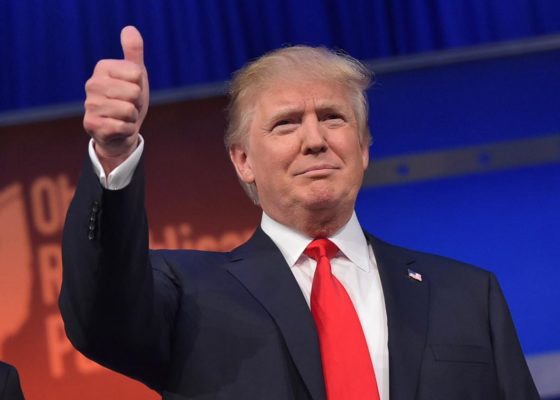
In an era defined by global interdependence and the sovereign right of nations to chart their own economic destinies, President Donald Trump’s latest threat to impose a punitive 10% tariff on countries aligning with BRICS policies antagonistic to U.S. interests smacks of a bygone age of imperial fiat and economic bullying.
Such a posture is not only an affront to the principle of freedom of association but also a glaring manifestation of a transactional, zero-sum worldview unfit for the complexities of the 21st century.
Trump’s approach to international economic relations is emblematic of a robber-baron mentality, wherein might makes right and economic leverage is wielded as a cudgel to enforce submission. This is not the hallmark of enlightened leadership, but the residue of a mercantile mindset that perceives global affairs as a chessboard for unilateral gain. The notion that the United States should dictate, through the threat of tariffs, how sovereign states conduct their alliances and economic policies is not only hubristic—it is antithetical to the very ideals of liberty and mutual respect that underpin the international order.
The freedom of association is not merely a domestic civil liberty; it is a foundational pillar of international relations. Every nation, regardless of its economic stature, possesses the inalienable right to forge partnerships, join blocs, and pursue policies that best serve its people.
Trump’s attempt to coerce countries away from BRICS—a bloc comprising China, South Africa, Egypt, and others—by threatening economic punishment is to trample on this right and to reduce diplomacy to extortion.
This attempt by Trump is not just an economic miscalculation; it is a strategic blunder. History is replete with examples of how punitive tariffs and economic isolationism breed only resentment and retaliation, not compliance. The world is no longer a stage for a single hegemon’s caprice.
That is why today’s multipolar reality demands dialogue, respect for diversity, and the recognition that no nation, however powerful, can unilaterally dictate the rules of engagement.
Trump must understand that the medieval impulse to control and dominate other nations is no longer fashionable. The international community must resist the lure of transactional imposition and reaffirm its commitment to pluralism and sovereign equality.
Trump’s economic chauvinism may play well to a domestic audience craving simplicity and strength, but on the world stage, it is a recipe for discord and decline.
The future belongs not to those who impose, but to those who collaborate. Let us consign the era of economic domination and intimidation to the dustbin of history, and embrace a world where nations are free to associate, innovate, and prosper—unfettered by the whims of any single power.