
Education is the foundation of societal development, yet the quality of learning in public schools depends largely on the learning environment.
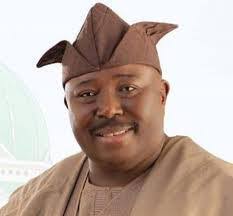
In Oyo State, severe classroom congestion has become a major barrier to effective teaching and learning. Oyo APC Guber candidate Senator Sharafadeen Alli has proposed a strategic policy to cap classroom sizes at 30 pupils in all public primary and secondary schools.
The policy will not only decongest classrooms and improve academic outcomes but will also allow many vice principals (officers in grade level 16 and 17) to become school managers.
Many public school classrooms in Oyo State currently accommodate between 70 and 100 students. In situations such as this, quality instruction is nearly impossible and places excessive strain on teachers. Overcrowded classrooms lead to poor teacher-to-pupil ratios, limited student participation, and increased cases of indiscipline. This policy will not only reduce class size but also offer practical relief to class tutors. Such a change makes classroom discipline easier to maintain, creates enough time for instruction, as well as improves workload management. This policy will help teachers practice personalized teaching by identifying individual learning gaps early and adjusting lessons accordingly.
Beyond its impact on learning, the policy has significant implications for school administration and civil service progression. Enforcing a 30-student ceiling will require schools to be unbundled into smaller academic units.
This structural reorganization will create a need for more executive heads. For vice principals, who often face career stagnation due to limited promotional vacancies, the reform will open a clear pathway to become principals.
For students, the benefits are equally clear. A less crowded classroom creates a safer and more engaging environment. Students have greater opportunities to participate, ask questions, and receive individual attention.
This is expected to translate into improved performance in internal assessments and external examinations like WAEC and NECO.